
How Interior Design Can Help Prevent Mould: Smarter Layouts for Better Airflow
Condensation and mould are a familiar part of the British winter, and they tend to appear where we look least: behind a wardrobe, in a bedroom corner or along a cold external wall. The good news is that interior design to prevent mould is one of the most effective long-term strategies a homeowner has. Changing your layout, furniture placement and material choices improves air circulation and removes many of the conditions mould needs to grow.
Mould is more than an eyesore. It can damage plaster, paint, textiles and timber, and it may aggravate asthma and allergies. This guide explains how design helps air move freely, and shares practical furniture, material and technology tips. The advice draws on our everyday work at FOF Studio, an architectural and interior design practice in London.
Understanding Mould and the Role of Air Circulation
Mould spores are present in almost every home. They only become a problem when they land on a damp surface and stay there. Everyday activities such as cooking, showering, breathing and drying laundry indoors release moisture into the air. When that warm, moist air meets a cold surface, it condenses into water droplets, and mould can follow.
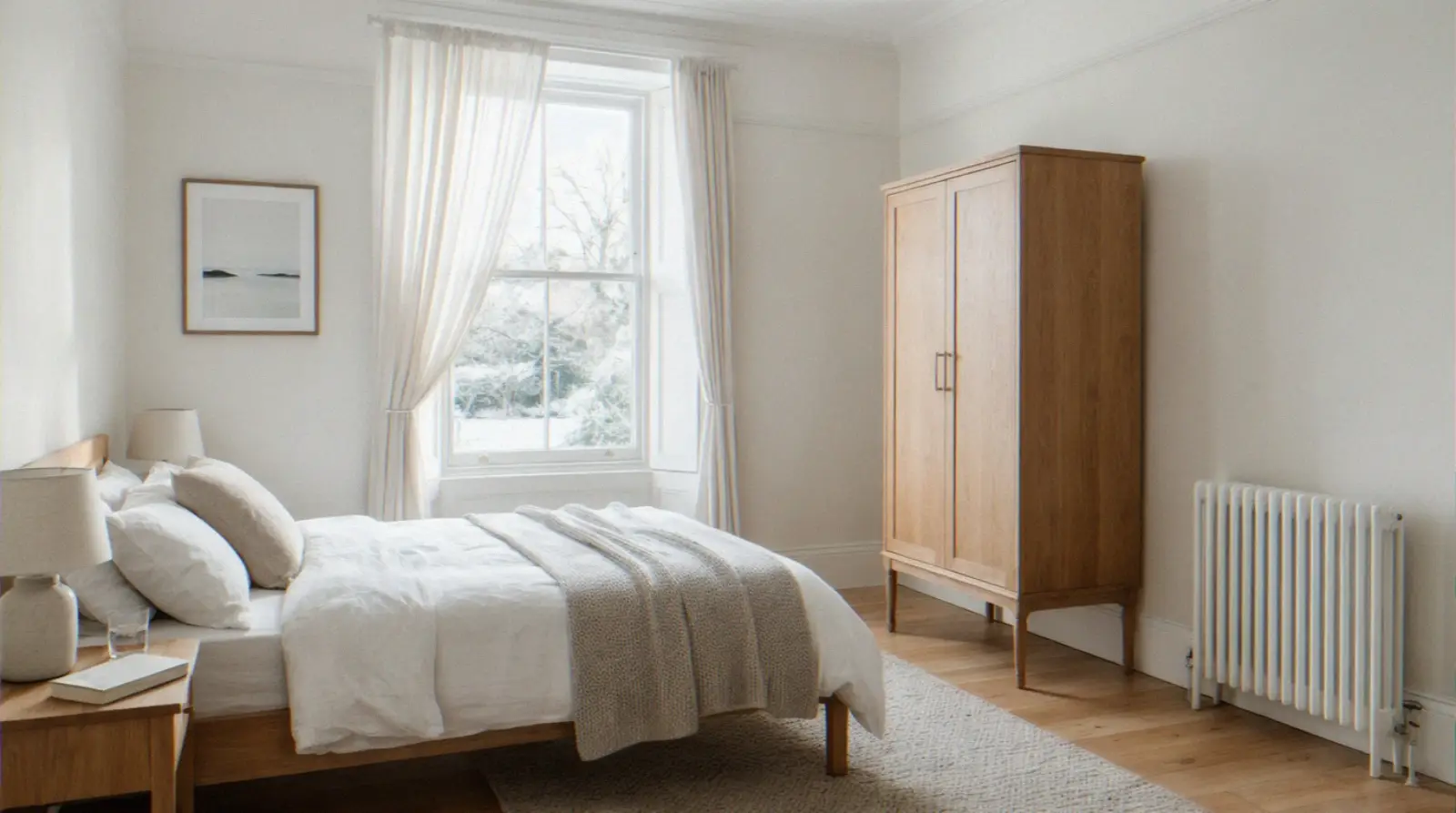
Poor layout makes this worse. Furniture pushed hard against external walls, radiators hidden behind sofas, heavy curtains and cluttered corners all create pockets of still, cool air where moisture lingers. Mould commonly appears in exactly these spots.
Redesigning a room tackles the problem at its source. Clear air paths let moisture-laden air move towards ventilation points. Unobstructed heat can reach cold surfaces and reduce cold spots. The principle is simple: warm, moving air keeps surfaces drier. As a rule of thumb, keeping indoor relative humidity between roughly 40% and 60% helps discourage mould growth.
Interior Design Changes That Boost Air Circulation and Reduce Mould
Furniture placement and spacing
- Leave a gap of around 5–10 cm between large pieces (wardrobes, sofas, bookcases) and external walls.
- Avoid pushing furniture tightly into corners or against cold walls, where air barely moves.
- Choose beds and sofas with legs rather than solid bases, so air can pass underneath.
Layout and open pathways
Arrange seating and storage so that air can travel between windows, doors and radiators. In smaller or north-facing rooms, which stay cooler for longer, lighter and less bulky furniture works better than oversized pieces that block the whole wall.
Window treatments and soft furnishings
Choose lighter curtains or blinds that can be drawn fully back during the day. Heavy, floor-length curtains can trap cold, damp air against the glass and wall, and curtains hung over radiators stop heat from reaching the room. Sill-length curtains or roller blinds are often a better choice in problem rooms.
Colour, materials and surface choices
Light, reflective colours make early mould spotting easier, because dark speckles show clearly on white or pale walls. Where walls are prone to moisture, consider breathable finishes such as mineral or clay-based paints and lime-based plasters, which allow moisture to move through the surface. Anti-mould or moisture-resistant paints can be useful in bathrooms and kitchens, but they treat the symptom, not the cause, so they should never replace proper ventilation.
Furniture and Storage Choices That Help Keep Mould Away
Storage is one of the most common places for mould to hide, because it combines tight spaces, cold walls and little airflow. A few considered choices help:
- Choose free-standing over built-in units on external walls where possible, so air can move around them.
- Use open shelving or units with ventilation gaps instead of fully enclosed cupboards in damp-prone rooms.
- Raise wardrobes and chests of drawers on legs or plinths with gaps, and make sure backs are not sealed against the wall.
- Air stored items regularly. Avoid packing clothes tightly against walls, and rotate seasonal items now and then.
Furniture with raised legs and slim frames is easy to find, for example on this website.
If one room is particularly problematic, temporarily moving large pieces away from the affected wall during the wettest months can make a real difference while you investigate the underlying cause.
Technology and Design Working Together Against Mould
Good design and good technology reinforce each other. Consider the following:
- Extract fans and positive input ventilation (PIV). Extractors work best in kitchens and bathrooms, close to the moisture source. A PIV unit gently supplies filtered air from the loft or a wall-mounted unit into the home, raising the overall air change rate. Plan furniture and door positions so that air can flow between rooms rather than being blocked.
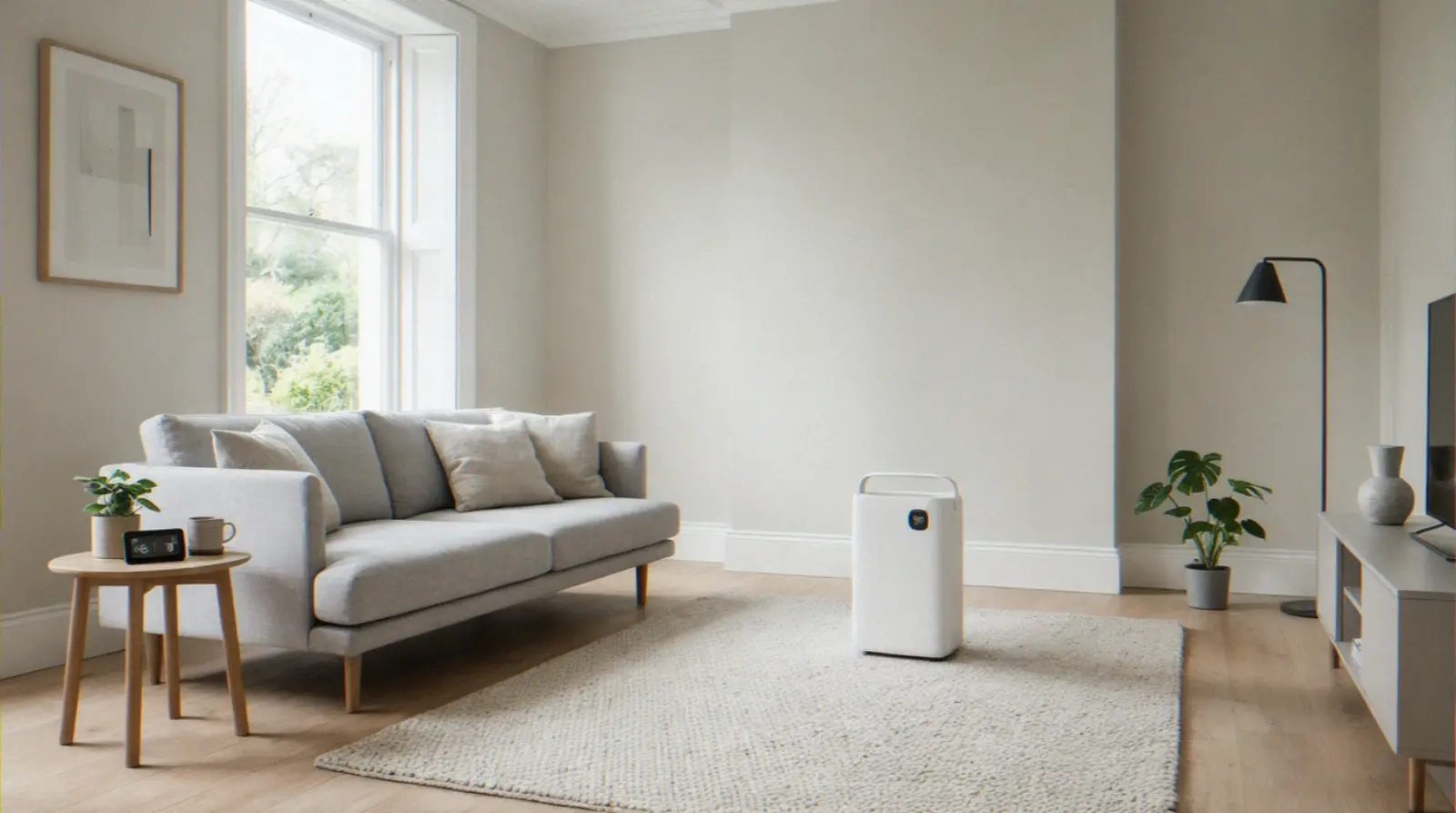
- Dehumidifier placement. Place it in an open area, away from walls and large furniture, ideally in the room with the moisture source, and follow the manufacturer's guidance on clearance. Keep doors and windows closed while it runs. In unheated rooms, desiccant models usually perform better than compressor models, which lose efficiency in the cold.
- Smart sensors and thermostats. A simple humidity sensor shows when levels climb above about 60%, which tells you when to ventilate or heat.
- Integrated design. Conceal or elegantly house equipment in joinery with ventilation openings, so it stays functional and looks considered.
- Radiators and underfloor heating. Keep furniture clear of radiators so heat can circulate. Furniture placed directly in front of them traps warmth and leaves the rest of the room colder.
Quick Design-Led Life Hacks for Everyday Prevention
- Keep internal doors open where privacy allows, to encourage whole-house air movement.
- Use breathable underlays and natural-fibre rugs rather than impermeable coverings on cold floors.
- Avoid overcrowding windowsills with plants, which add moisture and block air movement.
- Adjust seasonally: lighter, more open layouts in summer, and winter arrangements that prioritise airflow and heat distribution.
When Design Alone Is Not Enough
Design changes are powerful, but they cannot fix everything. Persistent or spreading damp, mould that returns quickly, or signs of leaks, rising damp or failed guttering need a professional assessment. Design works best alongside good ventilation habits, such as using extractor fans when cooking and showering and avoiding drying laundry on radiators in closed rooms, and by addressing root causes. Architectural practices such as FOF Studio can help redesign spaces for both aesthetics and long-term health.
Conclusion
Thoughtful interior design is a powerful, often overlooked tool for improving air circulation and reducing mould risk. You do not need a full renovation to begin. Start with simple furniture moves, open up the paths that air takes through each room, and check humidity regularly. For lasting results in more challenging spaces, consider professional design input.
Frequently Asked Questions
Can changing furniture placement really reduce mould?
Yes. Moving furniture away from cold external walls lets air and heat reach those surfaces, which reduces condensation, one of the main causes of mould.
How much gap should I leave between furniture and walls?
Around 5–10 cm is a practical guide for large pieces on external walls. Slightly more is better in particularly cold or damp rooms.
What type of paint helps prevent mould?
Breathable mineral or clay paints and moisture-resistant or anti-mould paints can help in suitable rooms. They work best alongside good ventilation, not as a replacement for it.
Is a dehumidifier enough, or do I also need design changes?
A dehumidifier helps, but it treats the air, not the layout. Combining it with clear airflow and sensible furniture placement gives better and longer-lasting results.